The Frankfurt issue
Three day trips from Frankfurt that only need a train ticket
Mainz, Heidelberg and the Rhine gorge are all close enough to walk out of the station and start the day. What each one costs, what is shut in 2026, and how the walking works.

By Robin van DijkThe city read on foot, one district at a time
Frankfurt Hauptbahnhof is a working junction, not a sight, and that is what makes it useful. The platforms put you under a Romanesque nave in thirty-five minutes, on a castle terrace before noon, or on the deck of a Rhine boat with the Loreley coming up on the left. Three destinations out of that station earn a full day each: Mainz, Heidelberg, and the gorge between Rüdesheim and Braubach. None of them need a car, a coach or an early alarm. What follows is what each day costs, what is closed or displaced in 2026, and how the walking joins up once the train doors open.
Mainz, thirty-five minutes down the line
Trains for Mainz leave Frankfurt Hbf several times an hour and take about thirty-five minutes, so it is the one trip you can start late and still do properly. From Mainz Hauptbahnhof it is roughly a quarter of an hour on foot east into the old town, or two stops on a tram if the weather has turned. The old town is compact enough that the whole day happens inside a triangle you could walk in twenty minutes end to end.
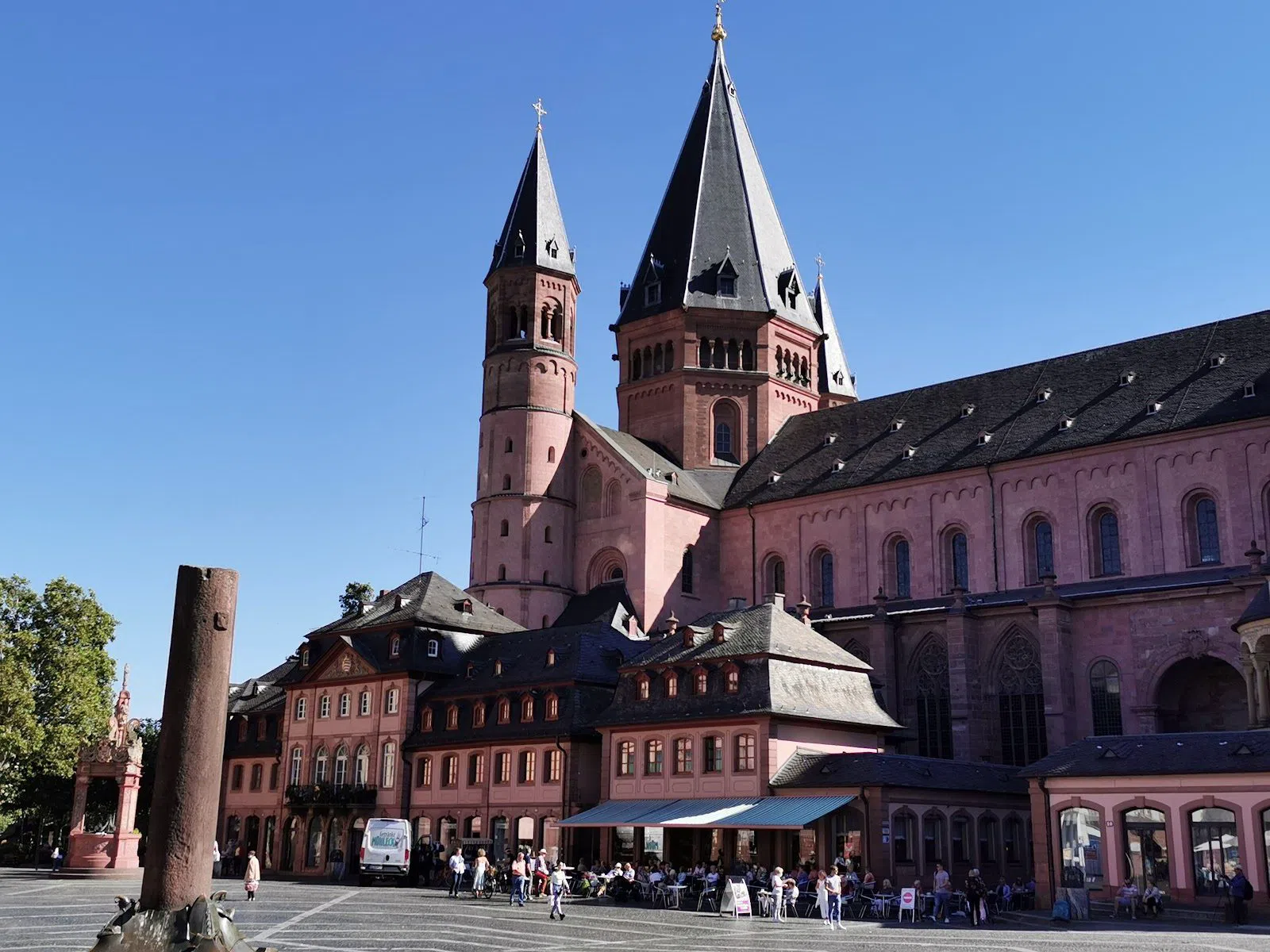
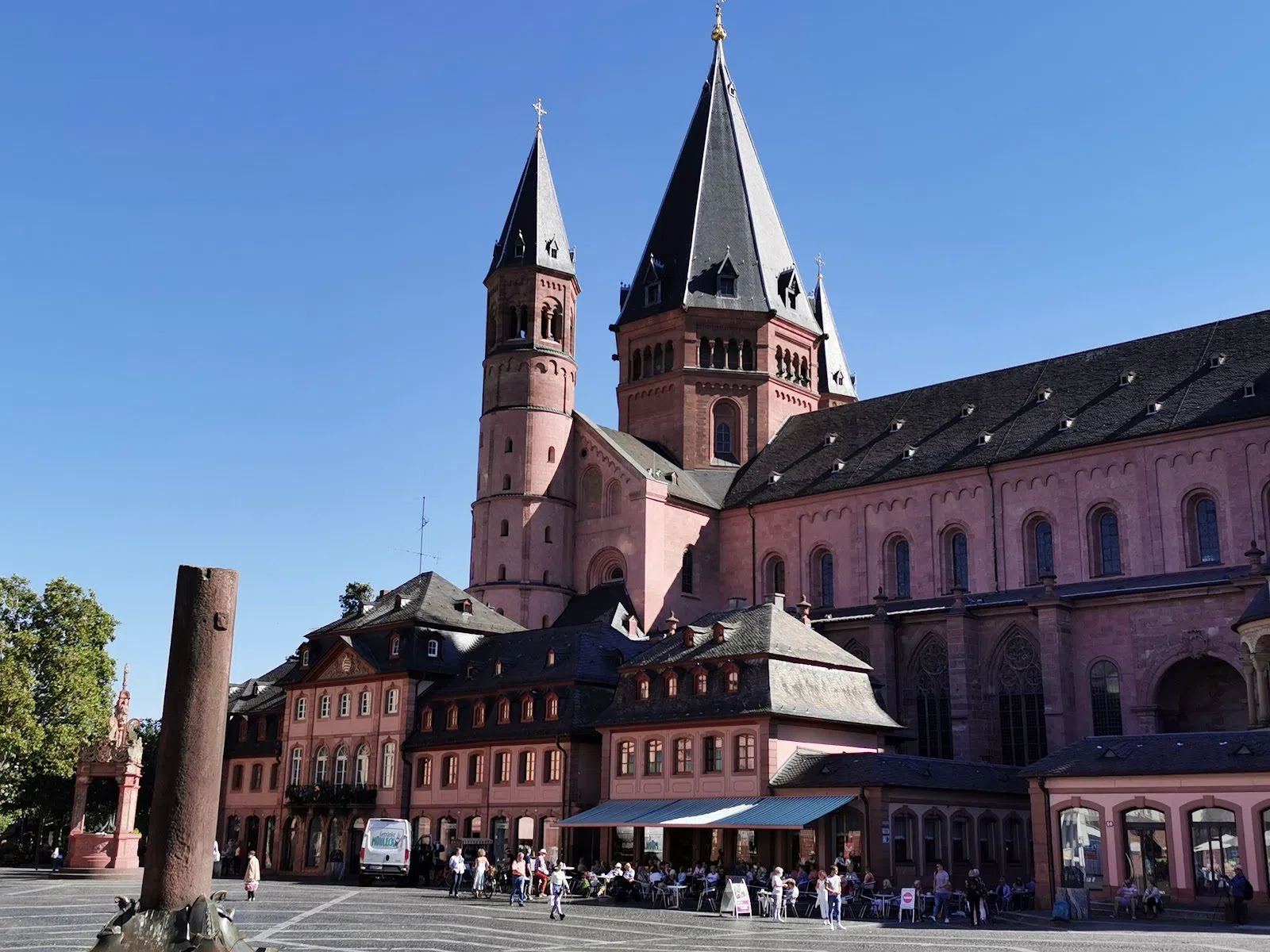
Mainz Cathedral (Mainzer Dom St. Martin) sits three minutes from the market square in the Altstadt, and entry is free. It is a working cathedral, not a monument with a turnstile, so services take priority and during Mass the expectation is silence, not circulation. If you arrive mid-service, wait it out in the square. The scale means it absorbs large groups without the shuffling queue you get at smaller churches, which is worth knowing if you are travelling with more than a couple of people. Guided tours are bookable through the Dom- und Diözesanmuseum and run roughly €6–10; if you skip the tour, a donation at the door is the honest thing to leave.
The Gutenberg Museum now runs from an interim home at Reichklarastraße 1, a few minutes' walk from the cathedral, and it is the detail that catches people out. The famous Liebfrauenplatz building has been demolished for a new build, so anyone navigating from an older map or an old guidebook arrives at a construction site. The temporary venue opens daily 9am–6pm, Thursdays until 8pm. Entry is €10 adult, €6 reduced, €4 for children aged four to eighteen; school groups get flat rates from €15–20 and tours are bookable in advance by email. The interim space is smaller than the collection deserves, so give it an hour, not a morning.
Uphill from the centre, St. Stephan's Church is the one thing in Mainz people fly in for without quite knowing it. Marc Chagall made its nine windows between 1978 and 1985 as a gesture of Jewish–German reconciliation, and the blue glass does something to a room that no photograph reproduces. Entry is free, though the church handles something like 200,000 visitors a year and a donation is well earned; private guided tours run about €15–30 per person. Go early afternoon, when the light is strongest through the blue, and sit down for ten minutes instead of circling the nave with a phone up.

Plan your Frankfurt trip
Live prices from our booking partners.
Free cancellation on many rooms. We may earn a commission when you book.
Where Mainz drinks on a Saturday
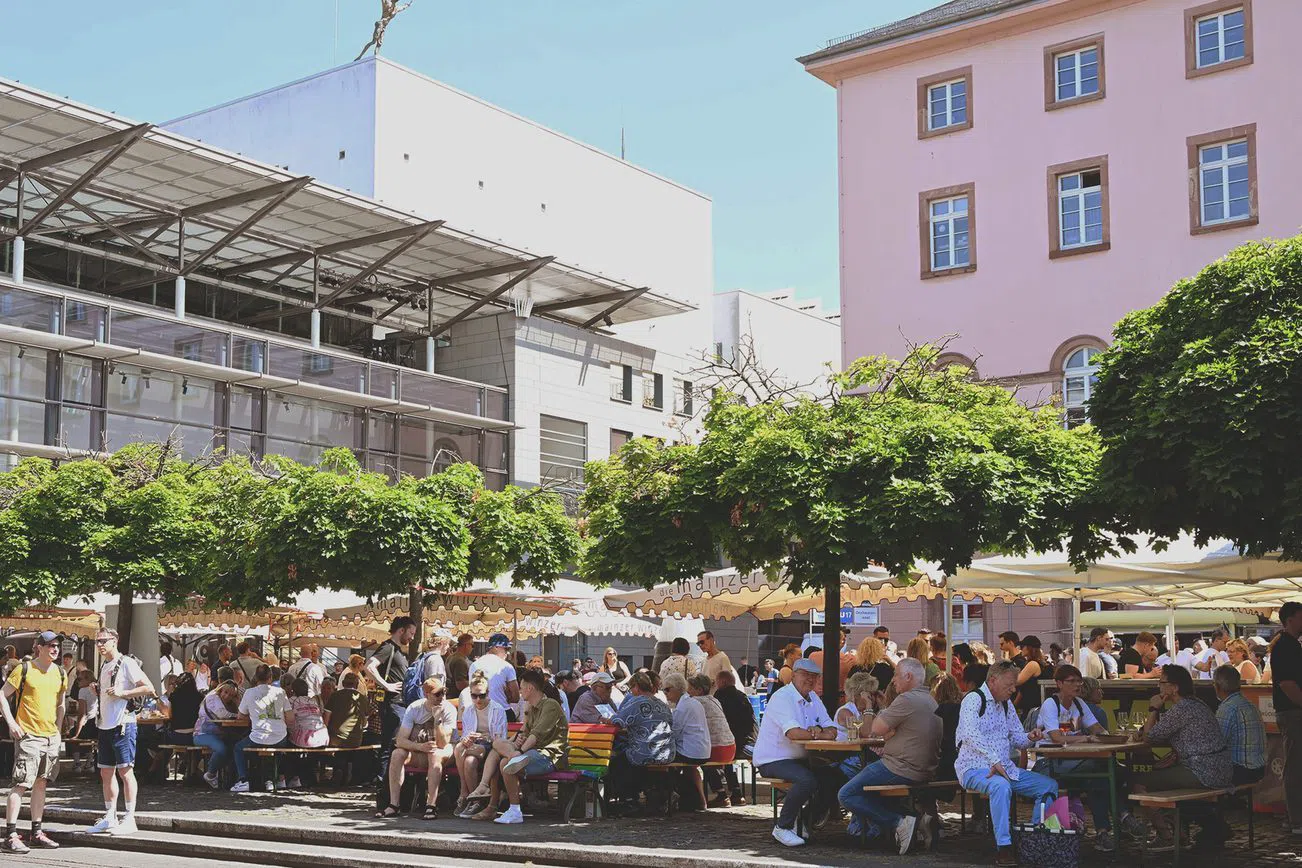
If your day trip lands on a Saturday between March and November, build it around the Mainzer Marktfrühstück, the open-air wine morning run by the city's own winemakers from 9am to 3pm. Glasses are €4–6, snacks €5–12, and there is no booking and no door policy: you turn up, buy a glass, and stand. It is the easiest thing in this whole article to do with a group of any size, because the venue is a square. Building work has pushed it off Liebfrauenplatz until roughly 2030, and it now rotates between Tritonplatz, Fischtorplatz and Schillerplatz, so check which square is hosting before you set off.
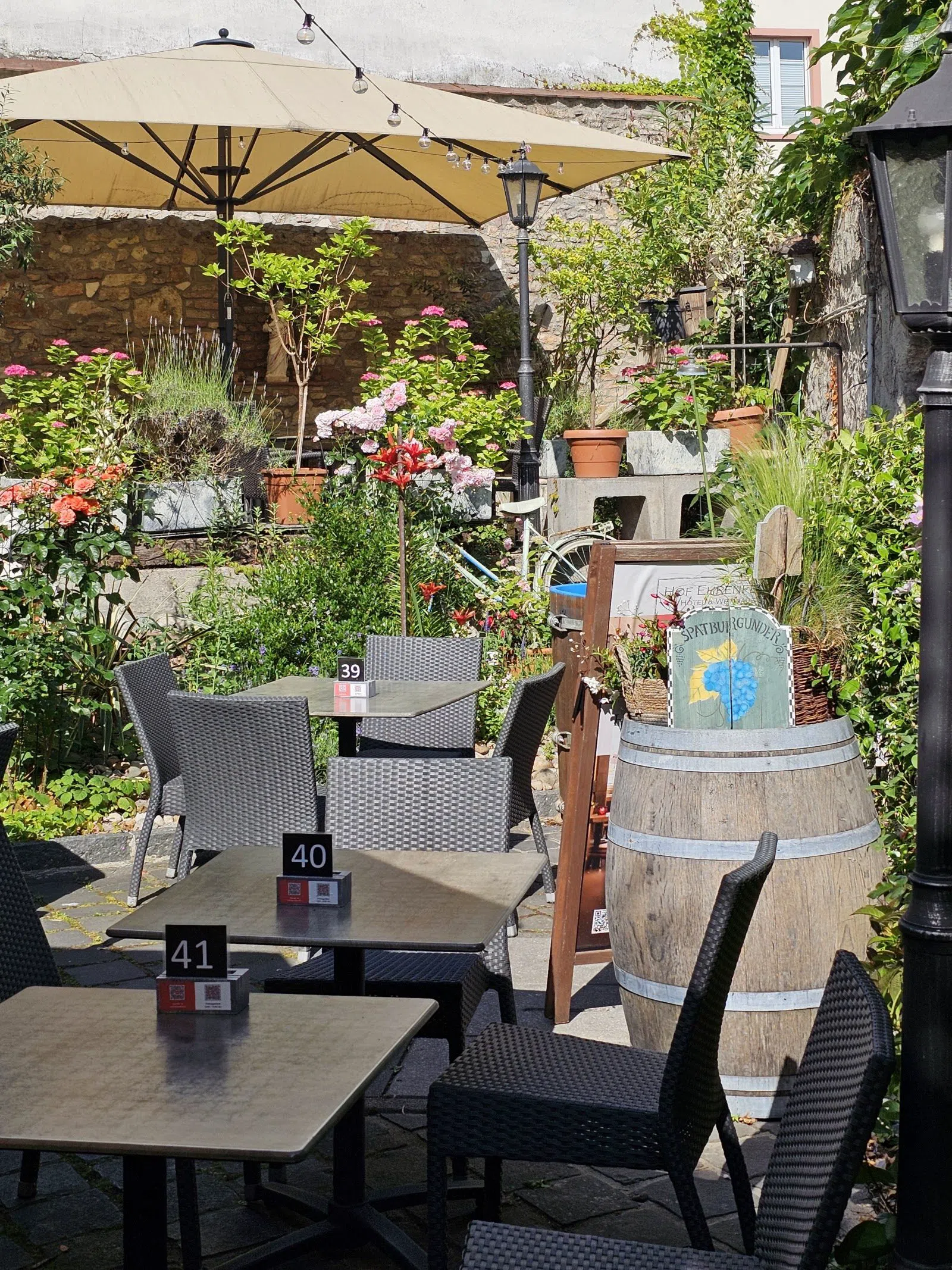
For a sit-down version, Weinstube Hottum at Grebenstraße 3 in the Altstadt is the honest counterweight to the tourist restaurants near the cathedral: rustic Rhenish cooking, local wine by the glass at about €5–7, regional plates €12–20. It opens daily from 4pm and from noon on Saturdays. Be realistic about the room. It is small and genuinely cramped, fine for four to six, and anything larger needs a phone call ahead. Two people will get in most evenings. Eight will not, unannounced.
Heidelberg on one castle ticket
Heidelberg is under an hour on a direct intercity service and around an hour and a quarter on regional trains with a change at Mannheim. The Hauptbahnhof sits a good twenty minutes west of the old town, and that stretch is the dullest part of the day. Take the bus or tram to Bismarckplatz and start walking from there, along the Hauptstraße, with the river on your left.
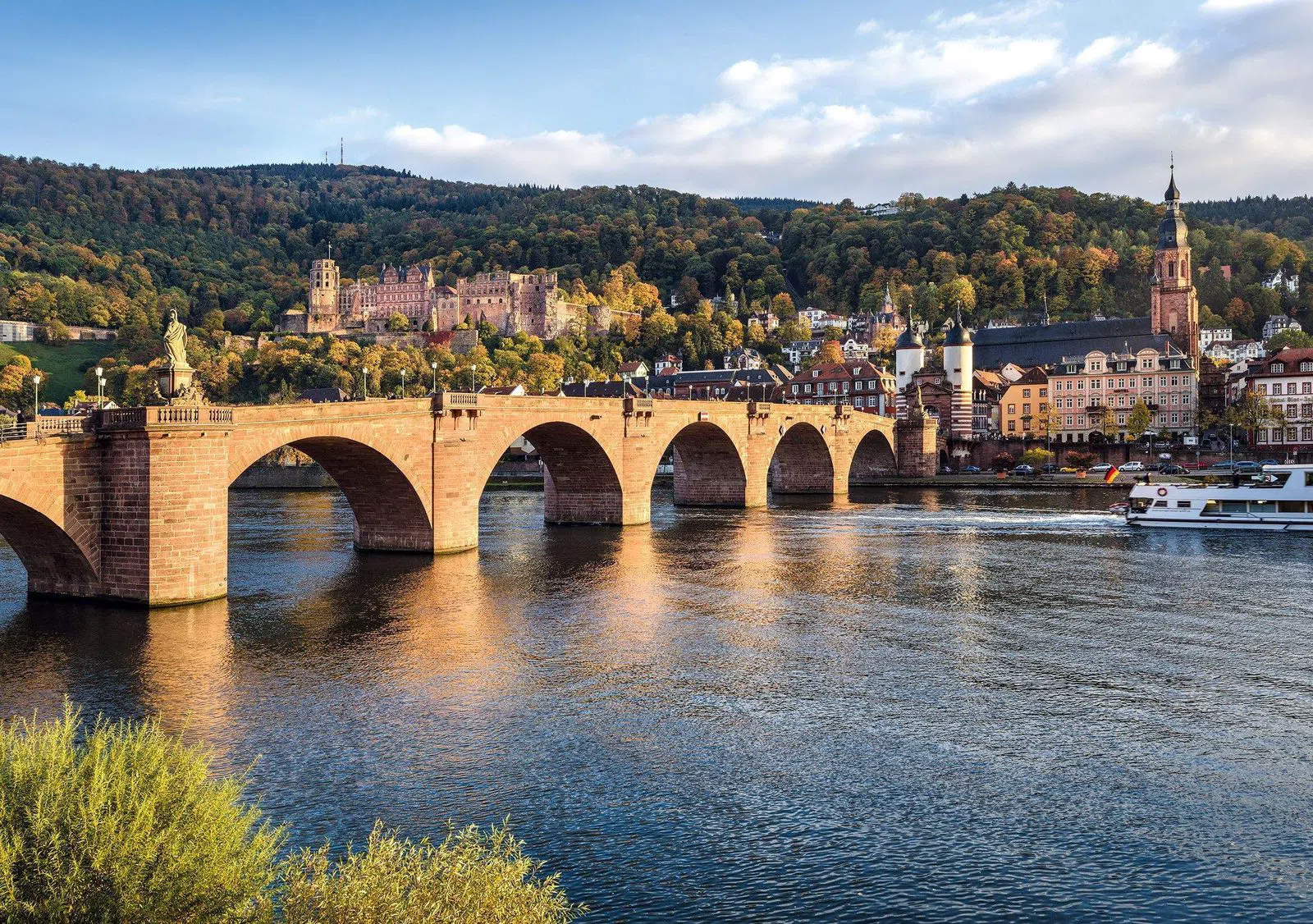
Heidelberg Castle (Schloss Heidelberg) stands above Kornmarkt, and its €11 adult ticket is unusually good value for what it bundles: the Bergbahn funicular up from Kornmarkt, the courtyard, the Great Tun and the German Apothecary Museum, all on the one entry. It opens daily 9am–6pm year-round, last entry 5.30pm. Groups pay €5.40 per person, English guided tours are €6, and out-of-hours tours can be arranged if you are organising something for a company or a family party. Parts of the palace gardens close for the Heidelberg Trail Marathon on 20 September 2026, so if the terrace views are the reason you are going, pick another Sunday.
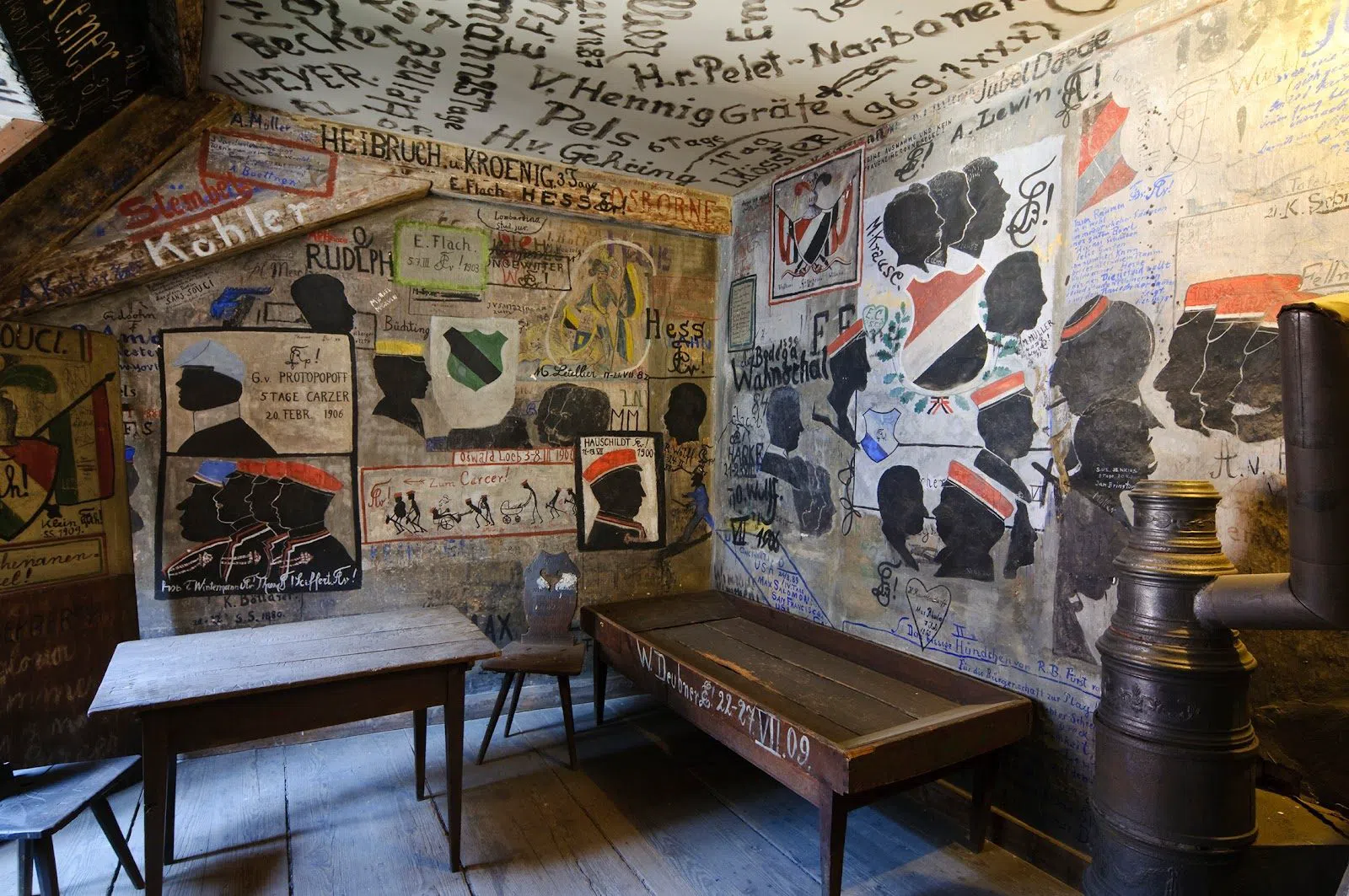
Down in the old town, one combined ticket of about €7.50 (€5 reduced) covers the Heidelberg University Museum, Alte Aula and Studentenkarzer, all within a few doors of each other off Grabengasse. The Karzer is the reason to go. The university lock-up held misbehaving students from 1778 to 1914, and the inmates decorated their own cells with silhouettes, crests and elaborate self-mythologising graffiti that has been left exactly as it was. Opening is Monday to Saturday 10am–6pm with a short close from 1.45 to 2.15pm, and it is shut on Sundays. That Sunday closure is the classic day-tripper trap, because Sunday is precisely when most people take this trip. Groups can reserve by phone up to two weeks ahead and skip the queue.
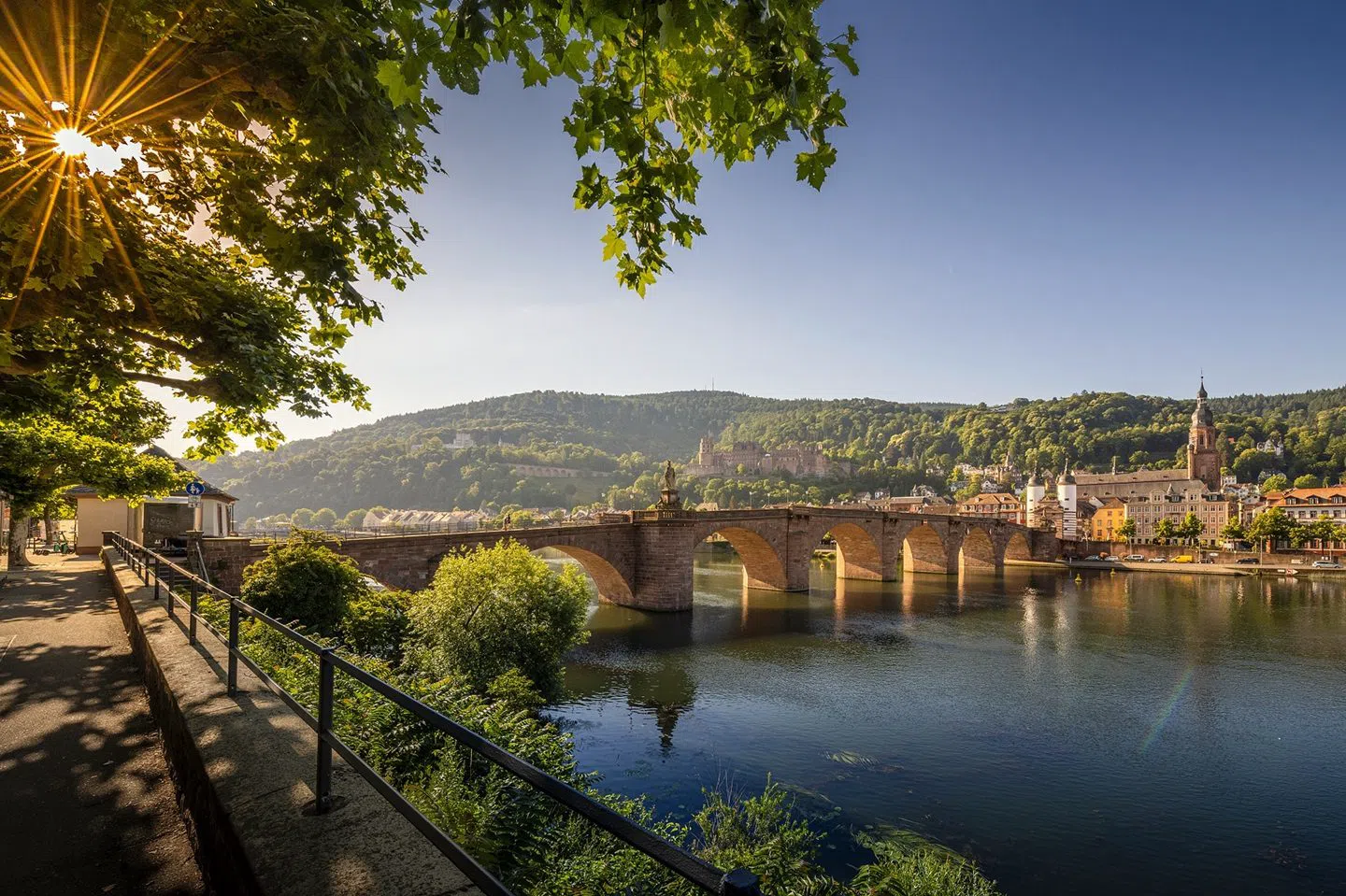
Finish across the river. Cross the Alte Brücke, turn up the Schlangenweg, and climb to the Philosophenweg in Neuenheim, the path the postcard view of the town and castle actually comes from. It is free, public and takes as many people as you bring, but the climb up from the Schlangenweg is steep and unshaded, which in July is a real consideration. Carry water, do it late in the afternoon when the light is on the castle face, and allow an hour and a half for the loop back over the Theodor-Heuss-Brücke.
The Rhine gorge without a car
The third trip is less a town than a stretch of river, and it works because the boats, the cable car and the trains are all timed against each other. Start at Rüdesheim, about an hour and a quarter from Frankfurt on regional services along the north bank.
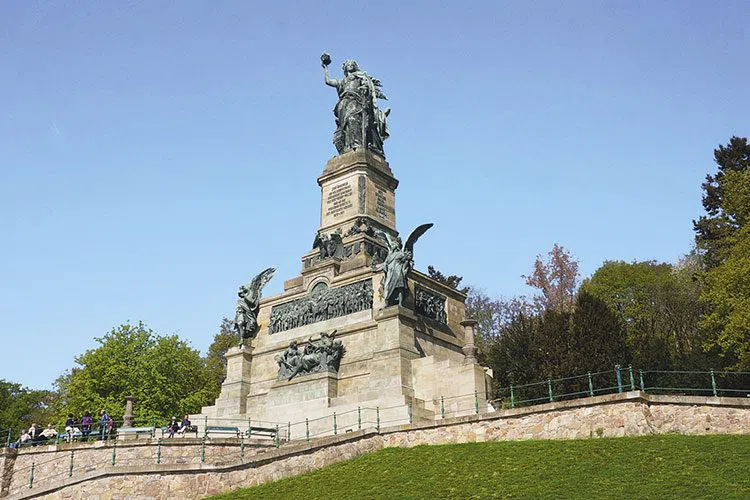
Seilbahn Rüdesheim lifts you out of the vineyards to the Niederwald monument from a station a few minutes' walk from the waterfront. One way is €7.50, a return €12, but the sharp buy is the Ring Tour at €24: cable car up, chairlift down the far side to Assmannshausen, boat back along the river. Groups of twenty or more pay €22 per person. It runs seasonally, 21 March to 1 November 2026, from 9.30am, so a February visit to Rüdesheim is a walk along a shuttered promenade.
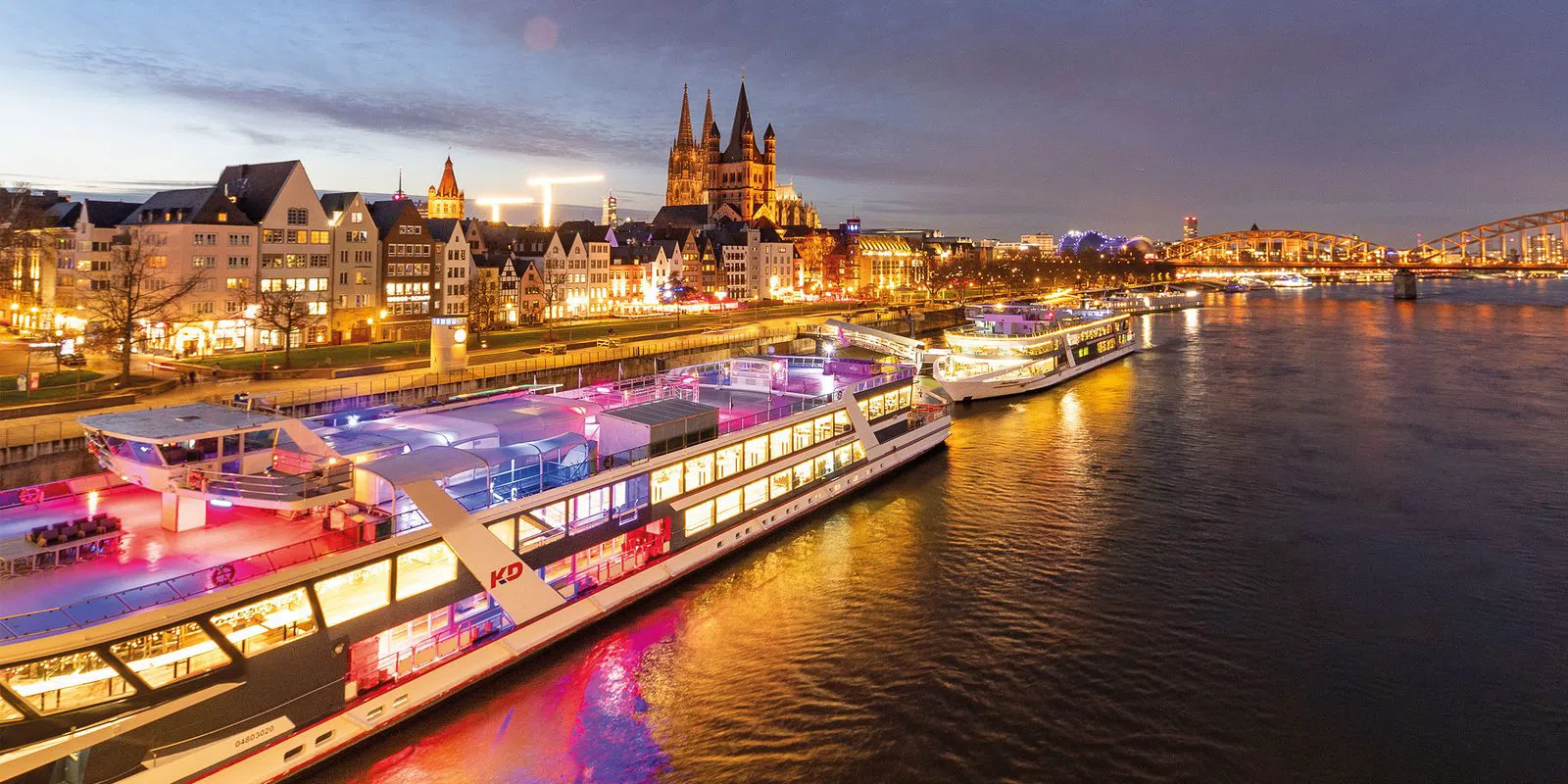
For the gorge proper, KD (Köln-Düsseldorfer Rheinschiffahrt) is the operator to name. The Rüdesheim or Bingen to St Goar leg takes in the Loreley rock and the thickest concentration of castles on the river, and fares run roughly €20–45 per person depending on how far you go. Download the 2026 timetable in advance, which matters more than it sounds: the return legs thin out in the late afternoon, and missing one means an unplanned train back. This is KD's 200th anniversary season. They are set up for numbers, with reseller and coach-operator rates and whole-boat charter for private events, so a large group is a phone call, not a problem.
If you would rather end on land, get off at Braubach and climb to Marksburg, the only hill castle on the Middle Rhine never destroyed, which is why the interiors are real and not reconstructed, down to the kitchen and the armoury. Entry is €11 and guided tour only, roughly hourly, fifty minutes, with the last tour at 4pm. English tours run daily at 1pm in summer, and English fact sheets are handed out otherwise. The walk up from Braubach station is steep and takes a good twenty minutes, so it is not the stop for anyone with a knee complaint or a pushchair.
Two quieter days when the three are done
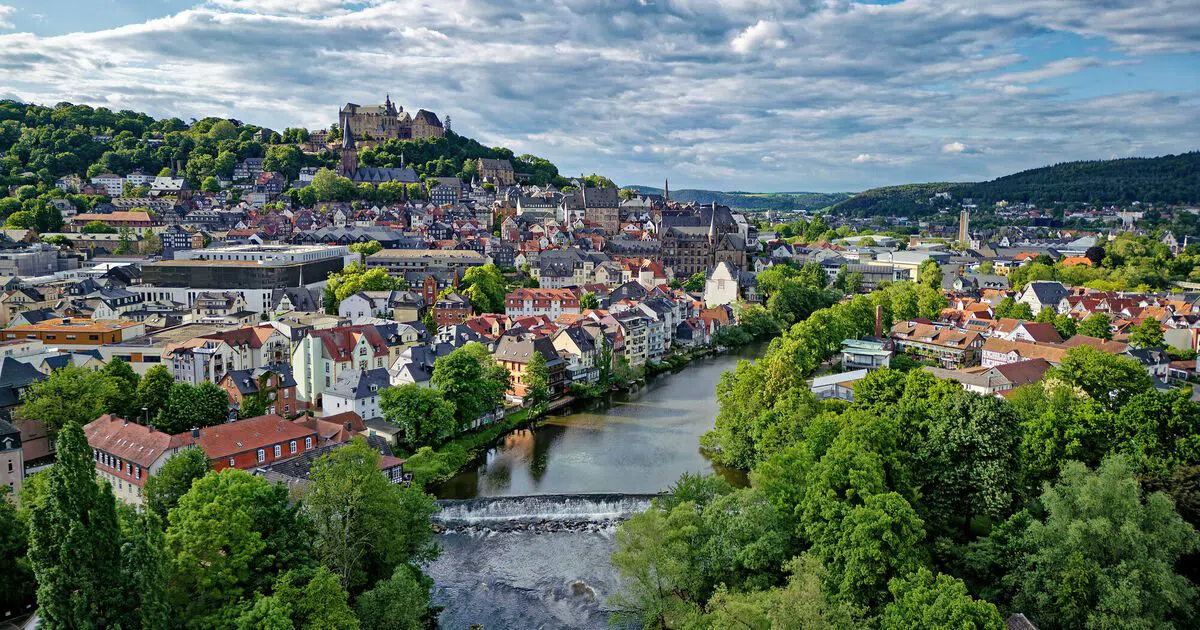
Marburg is about an hour north on a direct regional train and is worth a fourth day. Elisabethkirche Marburg, ten minutes from the station, is free to enter the nave with €2 for the St Elisabeth shrine; it is mid-renovation and the rear section is closed off, though the nave and shrine remain open, April to September 9am–6pm, October 9am–5pm, November to March 10am–4pm. From the Old Botanical Garden, the Grimm-Dich-Pfad climbs 109 metres through the old town to the castle over sixteen stations, each with a QR code linking the fairy tale it stages. It is free, unstaffed and outdoors, and it is the humane way to do Marburg's gradient, a climb that doesn't feel like one. At the top, Landgrafenschloss Marburg houses the Museum für Kunst und Kulturgeschichte, Tuesday to Sunday 10am–5pm, €8 adult, €5 reduced, €3 for special exhibitions, free for under-18s and students. The Wilhelmsbau cultural-history collection is closed for renovation. What you go for is the Fürstensaal, the frescoed chapel, and the room where Luther and Zwingli argued in 1529. Courtyard tours run weekends April to October, about €4 on top of entry.

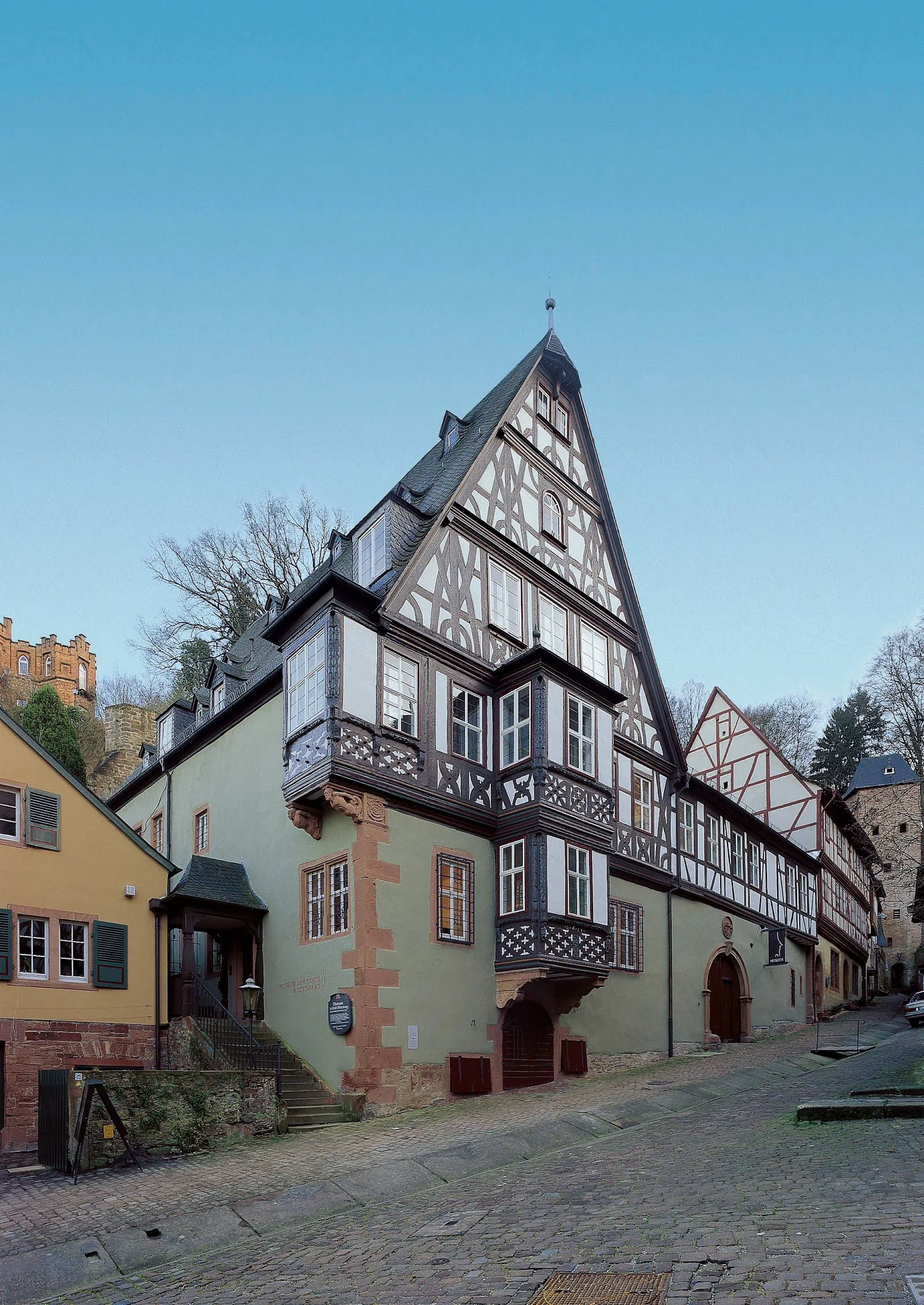
Miltenberg, on the Main with a change at Aschaffenburg, is the smallest of these and the most seasonal. Museen Miltenberg runs both the Museum Stadt Miltenberg and the Museum Burg Miltenberg on one €8 combined ticket (€5 reduced, €15 family), open Tue–Sun 11am–4pm from 16 March to 31 October, Wed–Sun in winter, and closed entirely from 15 January to 15 March. Groups of ten or more pay €5 per person, under-18 groups go free, and tours or workshops can be booked outside opening hours. They take cash only: no cards, no exceptions. Eat at Gasthaus zum Riesen on the Hauptstraße, which claims to be Germany's oldest inn on the strength of a 1411 record of the house and pours Faust beer from the brewery just up the street. Franconian mains run €14–25, it is open 11am to late with the kitchen closed 3–4.30pm, group bookings and reservations are taken online, and it is shut on Wednesdays, which is the most reliable way to arrive in Miltenberg hungry and disappointed.
Practicalities
Buy tickets through the DB app the morning you travel; regional trains on these routes run frequently enough that a fixed departure buys you nothing but stress. If you are in the city for a month and not a weekend, look at the monthly Deutschland-Ticket, which covers regional trains nationwide but not intercity services, and note that it does not cover the Rhine boats or the cable car.
Carry cash. Museen Miltenberg takes none of your cards, the Marktfrühstück is a square full of winemakers with float tins, and small wine taverns are easier with notes. €60–80 per person covers a full day comfortably, including entry, lunch and a glass. Mainz can be done for under €30 if you stay out of the museum, Heidelberg lands around €40 with the castle and university ticket, and the Rhine is the expensive one at €50–70 once the Ring Tour and a boat leg are in.
Timing decides more than budget here. Sunday closes the Studentenkarzer, Wednesday closes the Riesen, winter closes the cable car and half of Miltenberg, and Saturday is the only day the Mainz wine morning exists. Build the week around those four facts. For where to sleep between trips, the Frankfurt hotel search covers the areas within walking distance of the Hauptbahnhof, the practical choice for anyone doing more than one of these, and the wider Frankfurt guide has what to do with the evenings you come back to.
Before you go
Which day trip from Frankfurt is easiest if I only have one day?
Mainz. Trains run several times an hour from Frankfurt Hbf and take about 35 minutes. The cathedral, the Gutenberg Museum's interim home on Reichklarastraße and St. Stephan's Chagall windows all sit within a compact old-town walk. Leave late morning and you can still see everything properly.
Does the Heidelberg Castle ticket include the funicular?
Yes. The €11 adult ticket covers the Bergbahn funicular up from Kornmarkt, the castle courtyard, the Great Tun and the German Apothecary Museum. Groups pay €5.40 per person, and English guided tours cost €6 on top. The site opens daily from 9am to 6pm, with last entry at 5.30pm.
Do I need cash for these trips?
For some of them, yes. Museen Miltenberg takes cash only, with no card option at either site. The Mainzer Marktfrühstück is an open-air wine market where notes are simpler, and small wine taverns are easier with cash. Elsewhere you can generally pay for museum and castle tickets by card.
What is closed or moved in 2026?
The Gutenberg Museum is running from a temporary venue at Reichklarastraße 1 because the Liebfrauenplatz building has been demolished. The Mainzer Marktfrühstück has moved off Liebfrauenplatz until roughly 2030 and rotates between Tritonplatz, Fischtorplatz and Schillerplatz. Marburg's Wilhelmsbau collection is shut for renovation, part of the Elisabethkirche is closed, and parts of the Heidelberg palace gardens close for the Heidelberg Trail Marathon on 20 September 2026.
Can I do the Rhine gorge as a day trip without a car?
Yes, and it works better by train and boat. Take a regional train to Rüdesheim and ride the Seilbahn Ring Tour (€24, running 21 March to 1 November 2026 from 9.30am), or take a KD boat on the Rüdesheim/Bingen to St Goar leg for roughly €20 to €45. Check the downloadable 2026 timetable first, because late-afternoon return sailings thin out.